
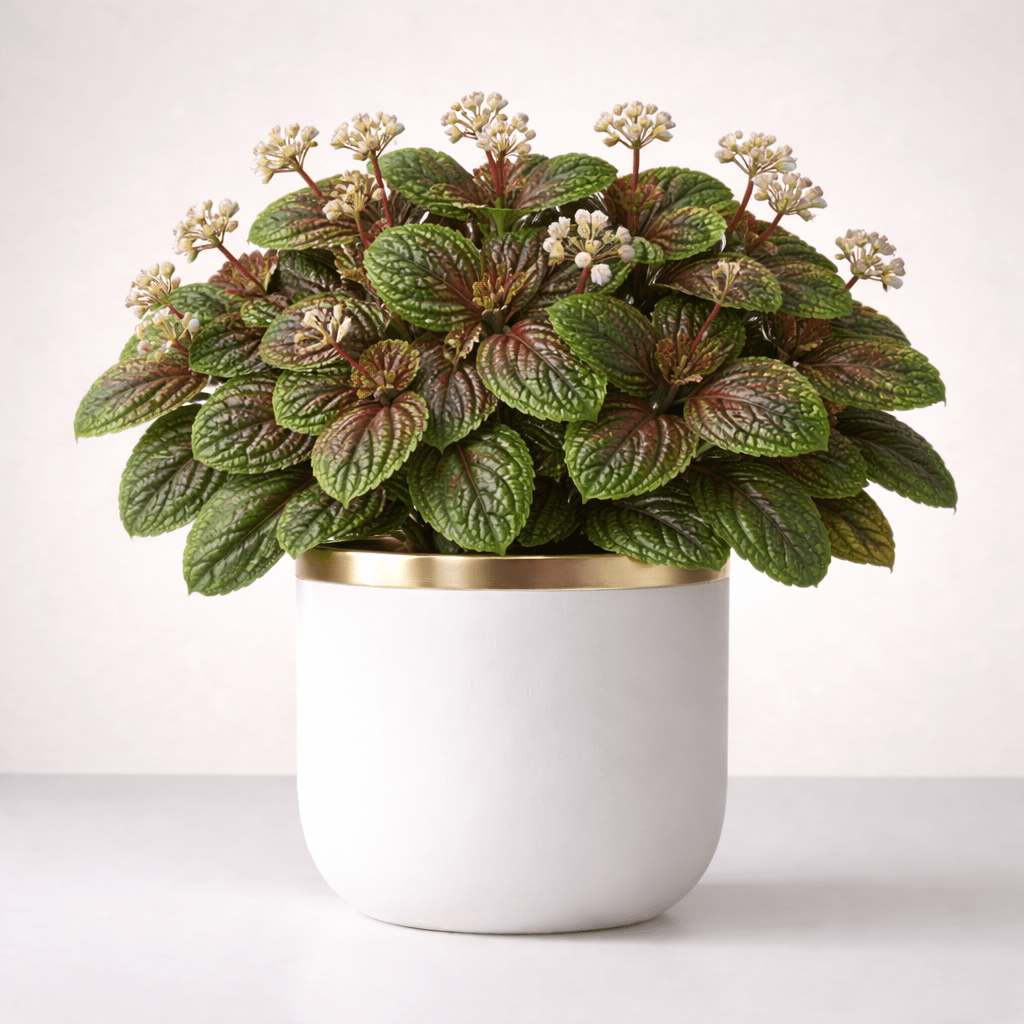
African Musk Plant
₹199
View & Listen Plant Education

African Musk Plant - Video Guide
Watch Video
All Details
A unique and intriguing plant known for its distinct, musky fragrance and often ornamental foliage or flowers. This common name can refer to different species, but it often points to plants valued for their scent in traditional gardens or as aromatic curiosities. It can range from a small herb to a larger shrub.
I am a plant often grown for my pungent, musky scent, which can be released when my leaves are brushed or crushed.
My appearance varies by species: I may have simple, green leaves or more textured, hairy foliage. Some varieties produce small, inconspicuous flowers, while others have showier blooms.
My scent is polarizing—some find it pleasantly earthy and intense, while others may consider it overpowering.
I am sometimes used in traditional practices or as a natural insect repellent due to my strong aroma.
I am native to various regions of Africa, with different species found across the continent's diverse climates.
My water needs are moderate. I prefer soil that is allowed to dry out partially between waterings.
Water me when the top 1-2 inches of soil feel dry. I am sensitive to overwatering, which can lead to root rot, especially in cooler temperatures.
I can tolerate short periods of drought once established but will perform best with consistent moisture during active growth.
I prefer average indoor humidity and do not require misting.
I thrive in bright, indirect light to partial direct sun.
I need several hours of good light daily to maintain healthy growth and promote the production of the aromatic compounds in my leaves.
Too much harsh, direct afternoon sun may scorch my leaves, while too little light can lead to weak, leggy growth and reduced fragrance.
I prefer warm to moderate temperatures, typically between 15°C and 26°C.
I am sensitive to frost and cold drafts. I am best suited to outdoor cultivation in USDA zones 9-11, or as a potted plant brought indoors in cooler climates.
Protect me from temperatures below 5°C.
I can be grown in containers, herb gardens, or as part of a sensory garden where my fragrance can be appreciated.
Use a well-draining, all-purpose potting mix. Ensure the pot has drainage holes.
If planting outdoors, choose a location with good air circulation to help disseminate the scent and prevent fungal issues.
Prune me back if I become leggy to encourage bushier growth.
I am a light to moderate feeder. Feed me every 4-6 weeks during the active growing season (spring and summer) with a balanced, diluted liquid fertilizer.
Reduce or stop feeding in fall and winter when growth slows.
Over-fertilizing can lead to excessive, weak growth with less concentrated fragrance.
Scientific Name: The common name "African Musk" is not botanically precise. It may refer to Mimulus moschatus (now rare in cultivation), Abelmoschus moschatus (Musk Mallow), or various Pelargonium (Scented Geranium) species with musky scents.
Common Names: Musk Plant, Musky Smelling Plant
Plant Family: Varies (e.g., Malvaceae for Musk Mallow, Geraniaceae for Scented Geraniums)
Plant Type: Can be an annual, perennial herb, or shrub, depending on the species.
Toxicity varies significantly by the exact species. Some plants with strong aromatics can cause mild stomach upset if ingested by pets. It is essential to identify the specific plant for accurate safety information. When in doubt, keep it out of reach.
My ability to purify air is not well-documented. My primary role is as an aromatic or ornamental plant rather than a functional air purifier.
Everyday: from 9:00AM to 7:00PM